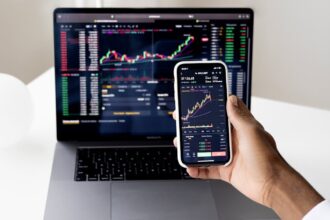
The financial markets are constantly evolving, and one significant trend that has emerged recently is the resurgence of retail investors. As market confidence improves, individual investors are stepping back into the stock market, eager to capitalize on new opportunities. This shift is a reflection of various factors, including a recovering economy, increased access to information, and advancements in technology that have made investing more appealing to the general public. In this blog post, we will explore the reasons behind this trend, the impact of retail investors on market dynamics, and what it means for the future of investing.
Understanding the Retail Investor
Retail investors, often referred to as individual investors, are non-professional traders who buy and sell securities for their personal accounts. Unlike institutional investors, who manage large funds and have access to extensive resources, retail investors typically operate on a smaller scale. Their participation in the market can significantly influence trends and market performance. As confidence in the economy and markets improves, retail investors are re-entering the scene, eager to take advantage of favorable conditions.
Factors Driving the Return of Retail Investors
Several key factors have contributed to the resurgence of retail investors in the financial markets:
- Improving Economic Indicators: As economic recovery signs become more apparent, retail investors are gaining confidence in the stability and growth potential of the markets. Indicators such as rising GDP, low unemployment rates, and robust consumer spending drive optimism.
- Access to Information: The proliferation of financial news, investment education resources, and social media platforms has empowered retail investors to make informed decisions. The accessibility of information has demystified investing and made it more approachable.
- Technological Advancements: The rise of online trading platforms and mobile apps has made investing easier and more convenient. Retail investors can now trade stocks with just a few clicks, track their portfolios in real-time, and access analytical tools that were once reserved for institutional investors.
- Low-Cost Trading: Many brokerage firms have eliminated trading commissions, allowing retail investors to trade without incurring significant costs. This reduction in fees has made it more attractive for individuals to engage in the markets.
- Social Trading Trends: The emergence of social trading platforms, where investors can share insights and strategies, has fostered a sense of community among retail investors. This communal approach has encouraged more individuals to dive into investing.
The Impact of Retail Investors on Market Dynamics
The return of retail investors can have a profound impact on market dynamics. Their collective buying power can lead to increased volatility, especially in smaller stocks or sectors that attract a lot of attention from individual traders. Additionally, retail investors often engage in trading patterns that can affect stock prices significantly. Here are some key impacts of retail investors on the markets:
- Increased Volatility: Retail investors tend to react more emotionally to market news and trends, leading to fluctuations in stock prices that might not align with fundamental values.
- Market Trends: The buying patterns of retail investors can create trends that may influence institutional investors. When a large number of retail investors flock to a specific stock or sector, it can attract the attention of larger players.
- Democratization of Investing: The growing participation of retail investors is contributing to the democratization of finance, as more individuals have access to investment opportunities that were previously limited to wealthier individuals and institutions.
- Shift in Corporate Accountability: With the voice of retail investors becoming louder, companies may be more inclined to consider the interests of their individual shareholders, fostering a culture of transparency and accountability.
What This Means for the Future of Investing
The resurgence of retail investors marks a significant shift in the landscape of investing. As market confidence continues to improve, it is essential for both retail and institutional investors to adapt to the changing dynamics. Here are some implications for the future of investing:
- Increased Focus on Education: As more retail investors enter the market, there will be a growing emphasis on financial literacy and education. Investment firms may invest in resources to help individuals make informed decisions.
- Enhanced Technology Solutions: The demand for user-friendly trading platforms and investment tools is likely to rise, leading to further innovation in technology solutions that cater to retail investors.
- Regulatory Considerations: The increased influence of retail investors may prompt regulatory bodies to examine how trading practices should be adjusted to ensure market fairness and transparency.
- Community and Collaboration: The sense of community among retail investors will likely strengthen, fostering collaborative approaches to investing that could reshape traditional market dynamics.
Conclusion
The return of retail investors as market confidence improves is a significant development in the financial landscape. With the combination of improving economic indicators, enhanced access to information, and technological advancements, individual investors are re-emerging with enthusiasm. Their influence on market dynamics is undeniable, and it will be fascinating to observe how this trend shapes the future of investing. As retail investors continue to assert their presence, the investment community must be prepared to adapt and embrace the evolving nature of the markets.