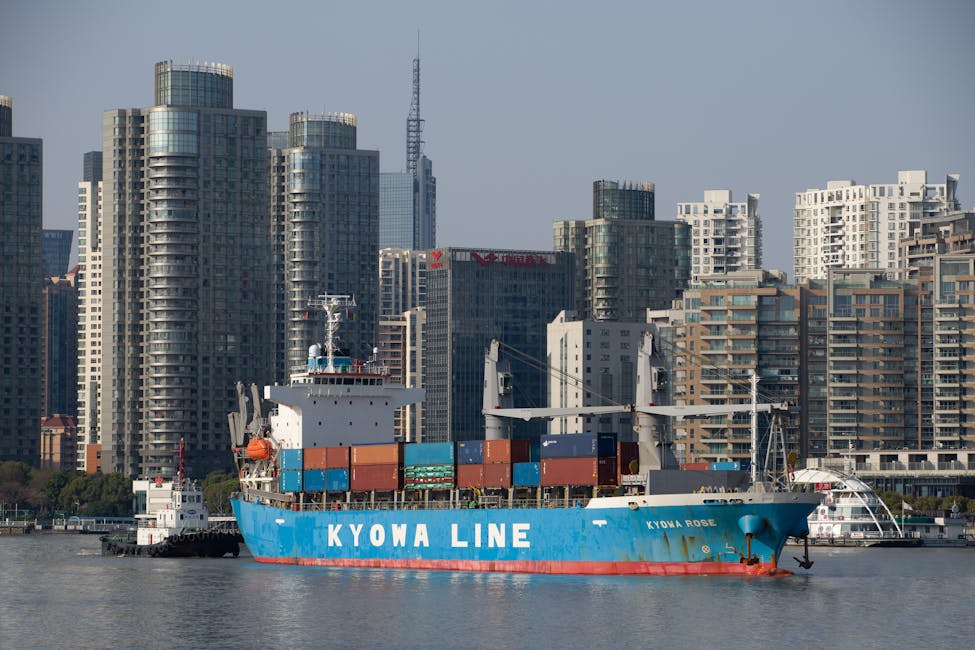
In an increasingly interconnected world, global trade plays a pivotal role in shaping economies and influencing business operations. The dynamics of international trade are continuously evolving, driven by factors such as technological advancements, geopolitical shifts, and changing consumer preferences. For businesses, staying abreast of these developments is crucial for leveraging opportunities and mitigating risks. This comprehensive blog post explores the latest trends in global trade, their implications for businesses, and strategies to navigate this complex landscape.
The Current Landscape of Global Trade
As of late 2023, the global trade environment is characterized by several significant trends that are shaping the way businesses operate. Understanding these trends is essential for companies looking to expand their market reach and optimize their supply chains.
1. Rise of E-Commerce
The surge in e-commerce has revolutionized global trade, allowing businesses to reach customers across borders with ease. The COVID-19 pandemic accelerated this trend, as consumers increasingly turned to online shopping. Key developments include:
- Increased cross-border online sales
- Emergence of new e-commerce platforms catering to international markets
- Enhanced logistics and delivery solutions for faster shipping
2. Trade Agreements and Tariffs
Ongoing negotiations and changes in trade agreements significantly impact how businesses operate globally. New tariffs or trade policies can either open up markets or create barriers. Notable points include:
- The introduction of free trade agreements (FTAs) that reduce tariffs and promote trade
- Potential trade wars that heighten tariffs and restrict access to markets
- The importance of compliance with international trade regulations to avoid penalties
3. Supply Chain Resilience
The disruptions caused by the pandemic highlighted vulnerabilities in global supply chains. Businesses are now focusing on creating more resilient supply chains. Key strategies include:
- Diversifying suppliers to mitigate risks associated with dependence on a single source
- Investing in technology to improve supply chain visibility and efficiency
- Implementing contingency plans to quickly adapt to unexpected disruptions
4. Sustainability and Ethical Trade
Consumers are increasingly prioritizing sustainability and ethical practices when making purchasing decisions. This shift is prompting businesses to align their operations with these values. Important considerations include:
- Adopting sustainable sourcing practices to reduce environmental impact
- Ensuring fair labor practices throughout the supply chain
- Communicating transparency in sourcing and production processes to build consumer trust
Implications for Businesses
As global trade continues to evolve, businesses must adapt to these changes to remain competitive. Here are some implications that companies should consider:
1. Strategic Market Expansion
With the rise of e-commerce and shifting trade policies, businesses have the opportunity to explore new markets. Conducting thorough market research and understanding local regulations can help companies make informed decisions about expansion.
2. Enhanced Risk Management
Given the uncertainties in global trade, businesses need to enhance their risk management strategies. This includes developing flexible supply chains, investing in technology, and staying informed about geopolitical developments that may impact operations.
3. Emphasis on Innovation
To navigate the complexities of global trade, businesses must foster a culture of innovation. This involves embracing new technologies, exploring digital transformation, and continuously adapting products and services to meet changing consumer demands.
Conclusion
Global trade developments present both challenges and opportunities for businesses. By understanding the current landscape and adapting to emerging trends, companies can position themselves for success in the international market. Emphasizing e-commerce, strategic market expansion, enhanced risk management, and sustainability will not only help businesses thrive but also contribute positively to the global economy. As the world continues to change, staying informed and agile will be key to navigating the complexities of global trade.